Walk Boldly, Wander Smart: Micro-Adventures for One
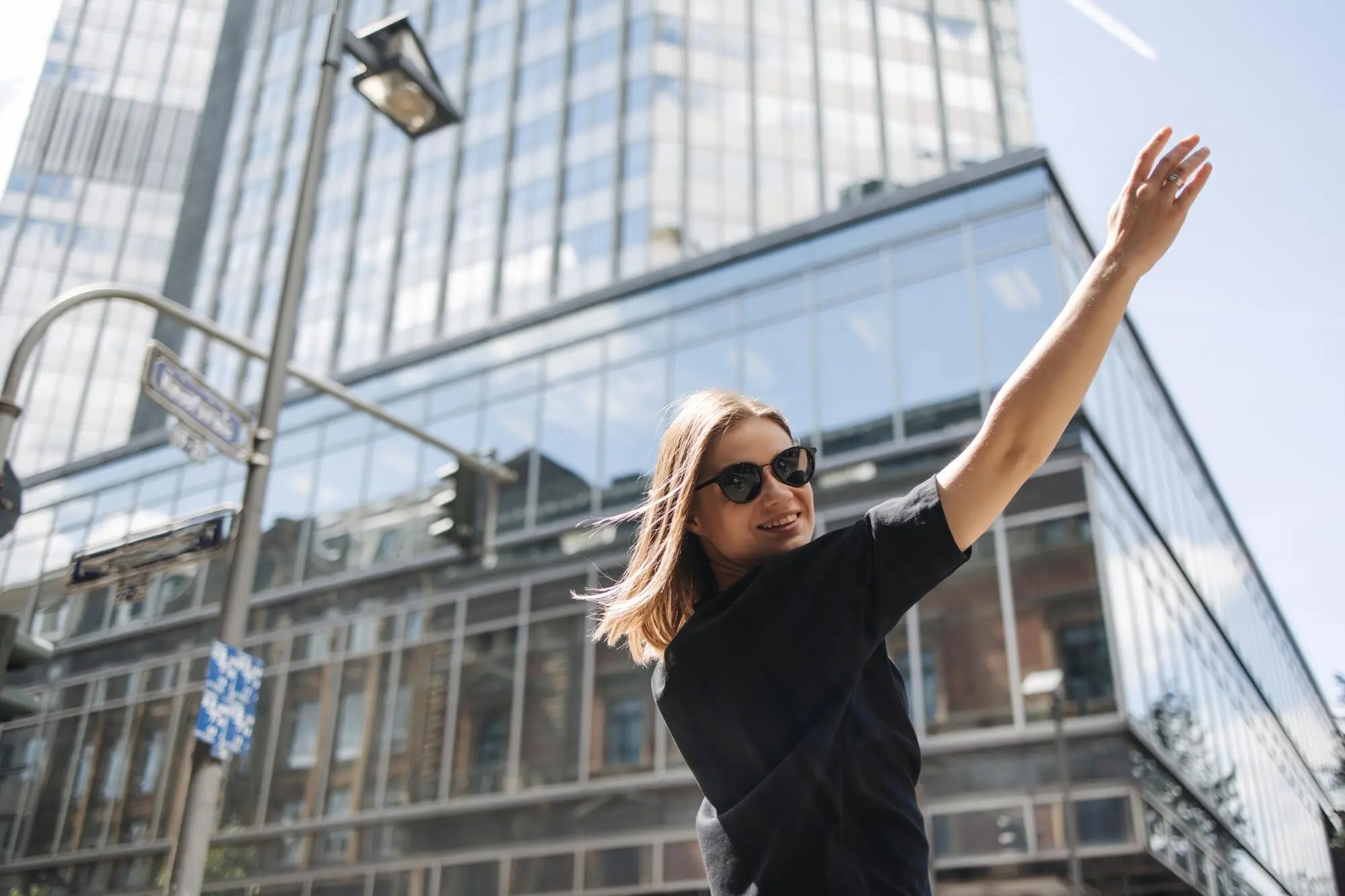
Today we dive into solo-friendly city micro-adventures prioritizing safety and confidence, turning ordinary streets into energizing playgrounds with measured risk, smart tools, and supportive rituals. Expect practical navigation tactics, clear boundary scripts, and a calm, repeatable planning flow designed to help you feel prepared, alert, and free. Whether you have forty-five minutes or two hours, you’ll finish with a tiny triumph, new self-belief, and a simple checklist you can reuse tomorrow.

The Micro-Mindset: Small Plans, Big Courage

Micro-adventures shrink the barrier to entry, letting you practice judgment, awareness, and joy in digestible doses. By defining clear start and finish points, you create psychological safety that supports exploration. Confidence grows when you keep promises to yourself, reflect afterward, and notice tangible gains: steadier breathing, calmer decisions, and the courage to stretch the next boundary just a little further.

Start Where You Stand

Instead of chasing distant landmarks, begin two blocks from your door, treating familiar sidewalks as a training ground. Choose one intentional objective—perhaps a mural you have never truly seen—and set a time limit. This focused simplicity lowers anxiety, reinforces situational awareness, and makes returning home seamless if conditions change or your intuition signals a timely pivot.

Preparation Becomes Permission

Preparation converts hesitation into action by clarifying uncertainties before they appear. Checking daylight, transit schedules, and alternate exits informs confident decisions on the move. Pack water, a charged phone, and a small note with emergency numbers. With expectations aligned and risks addressed, you can relax into curiosity, observe details, and let measured spontaneity guide gentle, rewarding detours.

A First Victory Story

Jamie planned a one-hour circuit from a busy station to a riverside overlook, with two safe café anchors marked. A quick route review, check-in text, and daylight window kept nerves steady. Returning before dusk with a sketch of the skyline, Jamie felt tangible progress—calm lungs, alert steps, and a desire to repeat the loop next week slightly longer.

Map Craft: Choosing Streets, Stops, and Safe Anchors

Smart route design turns unknown corners into manageable, welcoming paths. Look for well-lit corridors, predictable foot traffic, and overlapping transit options. Identify visible anchors—libraries, museums, transit hubs, staffed cafes—within short distances of each other. By layering primary, secondary, and retreat paths, you maintain freedom while preserving easy pivots, ensuring exploration stays playful, purposeful, and confidently reversible whenever needed.

01

Read the City’s Body Language

Treat streets like conversations. Lighting, sightlines, sidewalks, and storefront activity reveal comfort levels at a glance. Avoid stretches lacking visibility or escape routes. Favor intersections with open space and multiple options. Scanning for maintenance, cleanliness, and community presence helps anticipate energy shifts, allowing you to step toward vibrancy and step away from uncertainty without drama or delay.

02

Build Layered Routes

Sketch a primary loop, then overlay contingency shortcuts and safe detours every ten to fifteen minutes. Note where transit lines cross, where rideshare pickup points are clearest, and which public buildings stay open later. With layered options, you can follow curiosity confidently, adjusting on the fly while keeping return paths front-of-mind and always within a comfortable timeframe.

03

Anchor Points You Can Trust

Choose anchors staffed by attentive people and clear signage: visitor centers, hotel lobbies, bookstores, or community arts spaces. These locations provide restrooms, stable Wi‑Fi, and straightforward directions when your plan shifts. Mark them on your map with simple labels, and practice walking between them. Familiarity with anchors builds a felt sense of safety that travels with you.

Golden-Hour Advantage

Aim for late-afternoon light when colors glow, temperatures drop slightly, and streets often feel inviting. Visibility is excellent, photos sing, and your return can align with sunset. Set an alarm signaling the pivot home, protecting momentum for tomorrow’s walk. Ending on a confident beat reinforces progress and helps build a sustainable cadence you can trust.

Transit Tactics for One

Before leaving, screenshot schedules, save offline maps, and identify clear station exits. Stand near conductors or visible staff when possible, and confirm your next stop out loud to yourself for focus. If a carriage feels off, switch calmly at the next platform. Small, practiced habits transform transit from stressor into steady, empowering support for your wandering.

Quiet Confidence Kit: Gear and Tech That Has Your Back

Pack compact, low-profile essentials that serve quietly and reliably. Prioritize a charged phone, power bank, small flashlight, water, tissues, and an extra layer. Add a whistle or personal alarm, emergency cash, and copies of key numbers. Subtle tools reduce cognitive load, leaving your senses open for artful moments, better navigation, and respectful, decisive responses to changing conditions.

Body Language That Says I’m Good

Adopt a relaxed, upright posture with steady pacing and intentional pauses to scan intersections. Keep shoulders open, phone near chest, and bag in front in crowds. Eye contact should be brief and neutral. These universal signals communicate capability, reduce unwanted attention, and center your awareness on details that enrich the walk without broadcasting uncertainty.

Scripts for Sticky Moments

Prepare three lines: a polite decline, a firm boundary, and an exit phrase. For example, “No thanks, I’m set,” “I’m not interested, please step back,” and “I have to meet someone now.” Practice aloud at home. Clear words delivered evenly, paired with a side-step toward light and people, resolve awkwardness quickly and protect your momentum.

The Route, Step by Step

Hour One: station concourse to public artwork, then a tree-lined avenue toward a viewpoint bench. Hour Two: descend to a bookstore anchor, circle a mural alley, finish at a café within sight of transit. Each segment crosses open, well-lit spaces with multiple exits, allowing easy adjustments if crowds swell or your curiosity tugs somewhere brighter.

Mindful Moments to Notice

Pause to feel the temperature shift beside river stones, count five sounds in the plaza, and trace a skyline line with your finger. Smell coffee before tasting it, read one plaque fully, and name three colors on a door. These senses-first prompts place you firmly here, building presence, memory, and quiet confidence that lingers long after.

Debrief, Celebrate, and Share

Back home, rate your calm, clarity, and curiosity on a simple one-to-five scale. Note what supported safety most—timing, anchors, or scripts—and one improvement for next time. Share a single photo with a supportive friend or our community, inviting tips. Small, consistent celebrations rewire hesitation into anticipation, making tomorrow’s solo loop even easier to begin.